Starry City Tales

Changsha Legends and Folktales

The Xiangjiang River has surged for a thousand years. The Star City holds ancient legends passed down by word of mouth. Follow these stories to discover another side of Changsha.

main-banner
Baisha Ancient Well

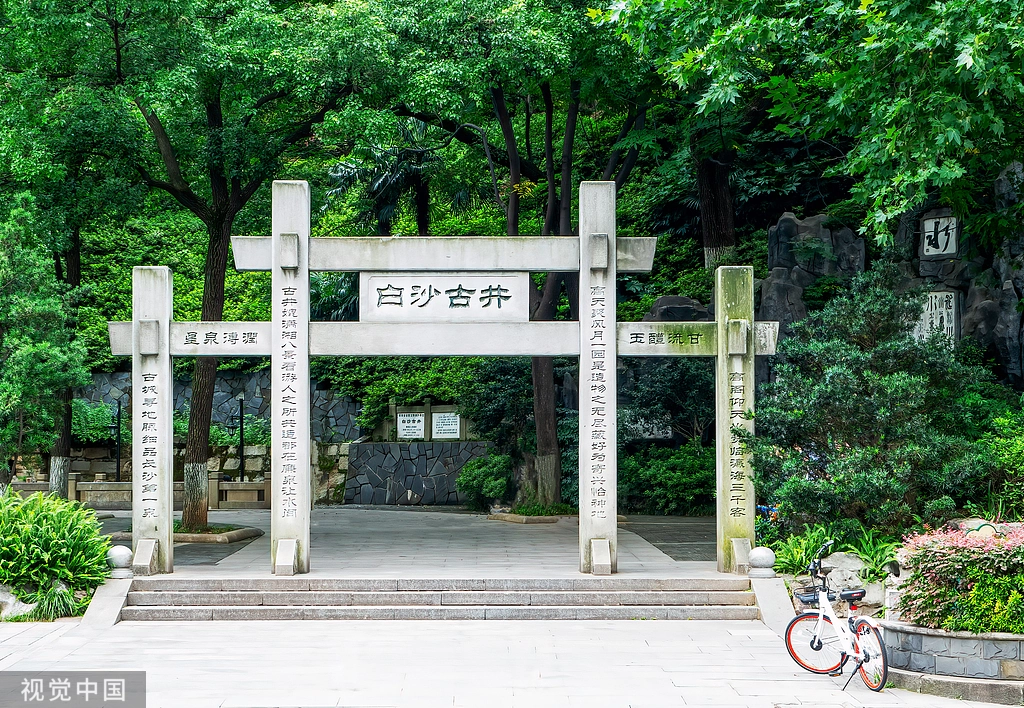
Baisha Ancient Well Legend

A vicious dragon once polluted local water sources and troubled villagers. A celestial maiden disguised as a local girl trapped the dragon with chains transformed from noodles. Forced to atone for its sins, the dragon continuously poured clear spring water from underground. The four ancient wells never dry up. Pure and sand‑free, the spring has nourished Changsha for thousands of years.

An elderly farmer rescued a red-crowned crane injured after drinking toxic water. Once healed, the crane transformed into a beautiful maiden named Baisha. She opened a noodle shop at the foot of the mountain, waiting for the black dragon to show up. Before long, the black dragon took the form of a dark-faced strong man and came to the shop, speaking frivolously and trying to harass Maiden Baisha. Calm and unruffled, she served him a bowl of steaming hot noodles. The dragon gobbled them greedily. Once swallowed, the noodles instantly turned into tough iron chains binding his intestines. Shocked, the dragon revealed his true form and stirred up gales and flying sand to flee. Maiden Baisha then changed back into the red-crowned crane. She summoned the mountain to pin down the vicious dragon, ordering it to constantly gush clear spring water from underground to atone for its crimes. When the trouble subsided, the crane vanished quietly. Fresh spring water surged from the foot of the mountain. Locals dug a well here — Baisha Ancient Well. Its spring stays clear year-round, free of sand, nourishing the people of Changsha.

Orange Isle

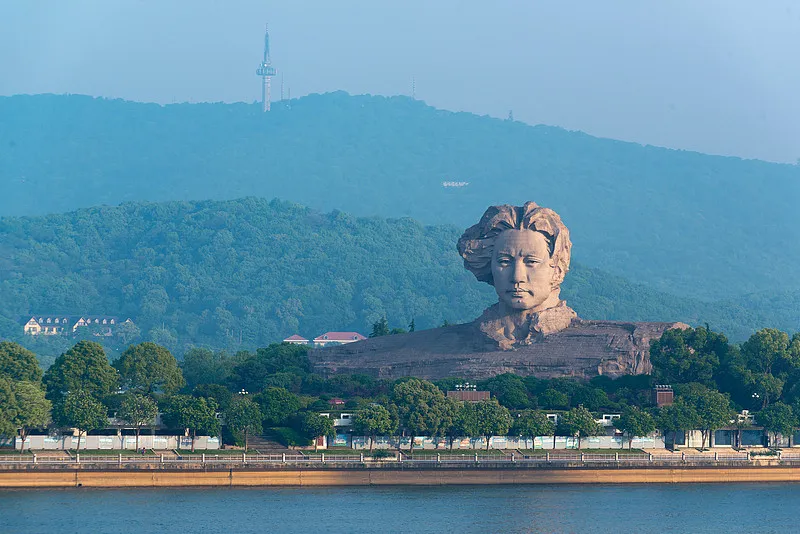
Orange Isle Legend

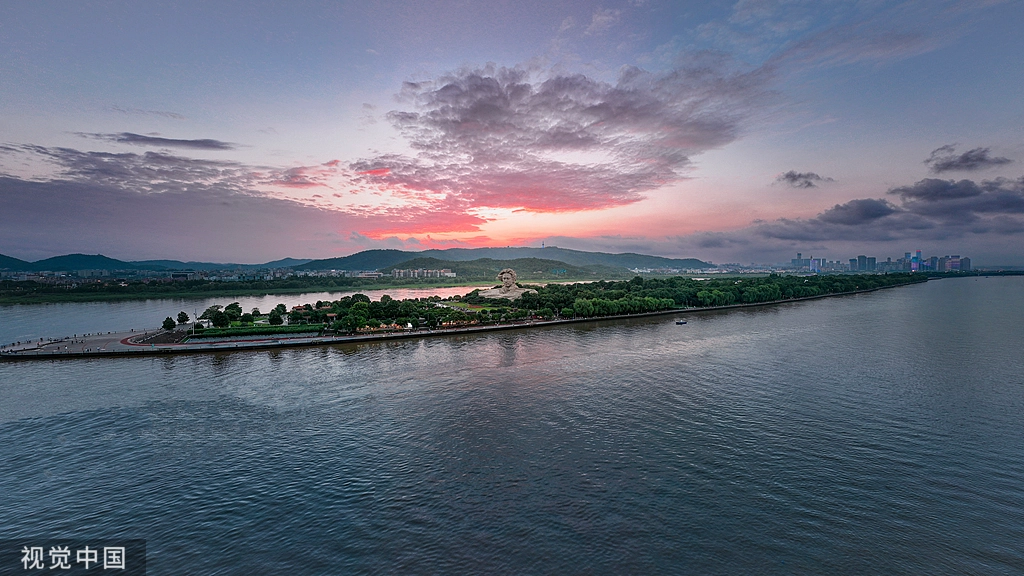
In ancient times, there was no isle in the Xiangjiang River. A kind fisherman received an embroidered long belt from seven local maidens. When a sudden storm endangered the fishing boats, he threw the belt into the river to save people. The belt stretched out and turned into a long and narrow oasis. Orange trees grew densely on the land, forming the well‑known Orange Isle.

Long ago, there was no river islet in the Xiang River. The mighty river rolled on, and fishermen on both banks made their living by fishing. By the river lived an elderly fisherman named Hu Zidie. Kind-hearted and righteous, he often helped his neighbours. Whenever someone’s fishing boat was damaged or a family fell on hard times, he would offer help without hesitation, earning deep respect from all villagers. One year, a severe drought hit the Xiang River basin. The water level dropped sharply, leaving the fishermen with no fish to catch and pushing their lives into hardship. Despite his advanced age, Hu Zidie travelled along the riverbank every day, distributing his stored grain to those most in need. His good deeds moved the Seven Fairies in heaven. They turned themselves into mortal maidens and came to the riverside. They wove a long white sash embroidered with the pattern of a beautiful long island and presented it to Hu Zidie, telling him the sash held divine power in times of crisis. Hu Zidie tied the sash around his waist and kept fishing on the river each day. One day, he sailed out onto the river together with other villagers. Suddenly fierce winds sprang up, dark clouds swirled, and towering waves rose on the river. Several fishing boats capsized in the storm, and the fishermen fell into the water, their lives hanging by a thread. Overwhelmed with anxiety, Hu Zidie recalled what the seven maidens had said. He untied the white sash from his waist and hurled it hard toward the river centre. Instead of sinking, the sash floated on the water. It stretched longer and spread wider, gradually turning into a strip of land. The drowning fishermen swam to this newly formed land and survived. When the storm subsided, people settled on this land. Orange trees grew all over the islet, evergreen all year round and bearing golden fruit in autumn. People named this river islet Orange Isle. The tale of Hu Zidie saving his fellow villagers by throwing the sash has been passed down from generation to generation along both banks of the Xiang River.
Laodao River

Laodao River Legend

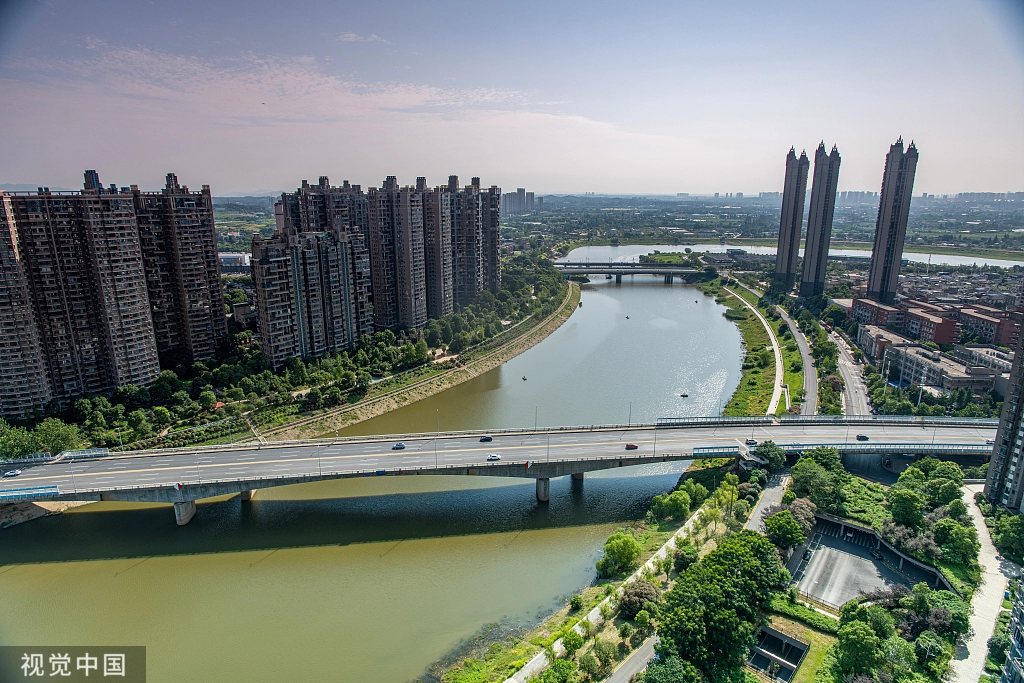
During the Three Kingdoms period, Guan Yu patrolled the river while campaigning in Changsha. A sudden wave knocked his famous Green Dragon Blade into the water. The sacred blade floated upstream against the current instead of sinking. His lieutenant swam seven miles against the flow and retrieved the blade. The river was thereafter named Laodao River, literally “the river where the blade was retrieved”.

Legend has it that this treasured blade possessed a spirit. The carved green dragon on the sword awoke upon touching the water. Instead of drifting downstream with the current, it carried the great sword and swam upstream against the flow. Zhou Cang, Guan Yu’s lieutenant, knew well the supernatural power of the blade. He leaped into the river at once and chased upstream along the waterway. He swam seven li against the current before catching up with the green dragon and retrieving the precious sword from the river. The river mouth where Guan Yu dropped his blade was later named Luodaozui (Blade-Dropping Spit). The Laotang River, where Zhou Cang fished out the sword, has ever since been called the Laodao River by local people. The small town where the sword was brought ashore was named Laodao Town. For thousands of years, this tale of Guan Yu dropping and retrieving his blade has been passed down by the waters north of Changsha City.

Yuwang tele

Yuwang Stele Legend

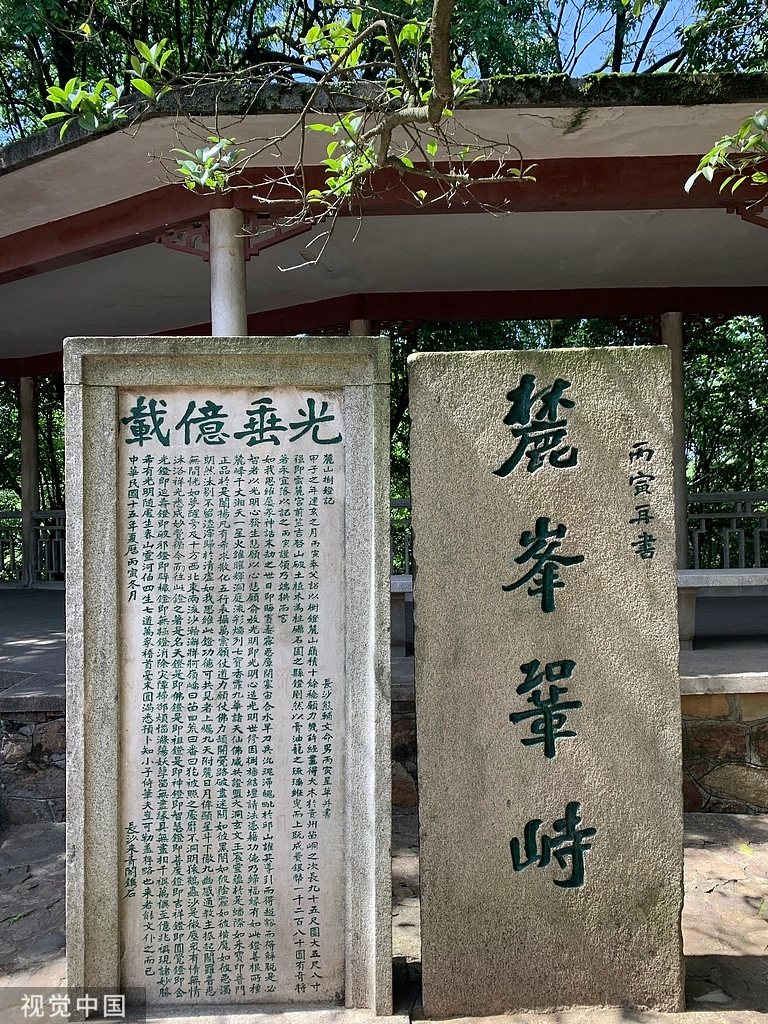
In ancient times, severe floods devastated the Xiangjiang River. Yu the Great climbed Yuelu Mountain, defeated the flood dragon, dredged the waterways, and ended the disaster. To avoid overpraising his achievements, he carved seventy‑seven mysterious tadpole characters on the cliff. The undecipherable ancient script has remained one of the most enigmatic relics of Yuelu Mountain for thousands of years.

On March 5, 2013, the State Council of the People’s Republic of China designated the Yu King Stele as one of the Seventh Batch of Major Historical and Cultural Sites Protected at the National Level. In remote antiquity, catastrophic floods swept across the Xiang River basin. Turbid torrents submerged hills and swallowed people’s homes. Evil dragons in the river stirred up surging waters, prolonging the flood disaster. Commissioned by Emperor Shun, Yu the Great travelled south to tame the floods and arrived at Yuelu Mountain in Changsha. Yu the Great climbed to the high peak of Yuelu Mountain to overlook the entire Xiang River and assess the floodwaters. He drew his sword and slew the evil dragon wreaking havoc in the Xiang River. Leading local people, he cut through mountains, dug channels and dredged the Xiang River, guiding the raging floodwaters into Dongting Lake. After years of backbreaking labour, the floods were finally subdued, and villagers returned to their land to farm and settle in peace. Having accomplished this great feat, Yu the Great refused to boast of his merits. To record the flood-control work and warn descendants to value water and land management, he personally carved seventy-seven strange characters of ancient tadpole script on the cliff face of Yuelu Mountain. The ancient, enigmatic glyphs have never been fully deciphered by anyone.

Jinggang

Jinggang Ancient Town Tale

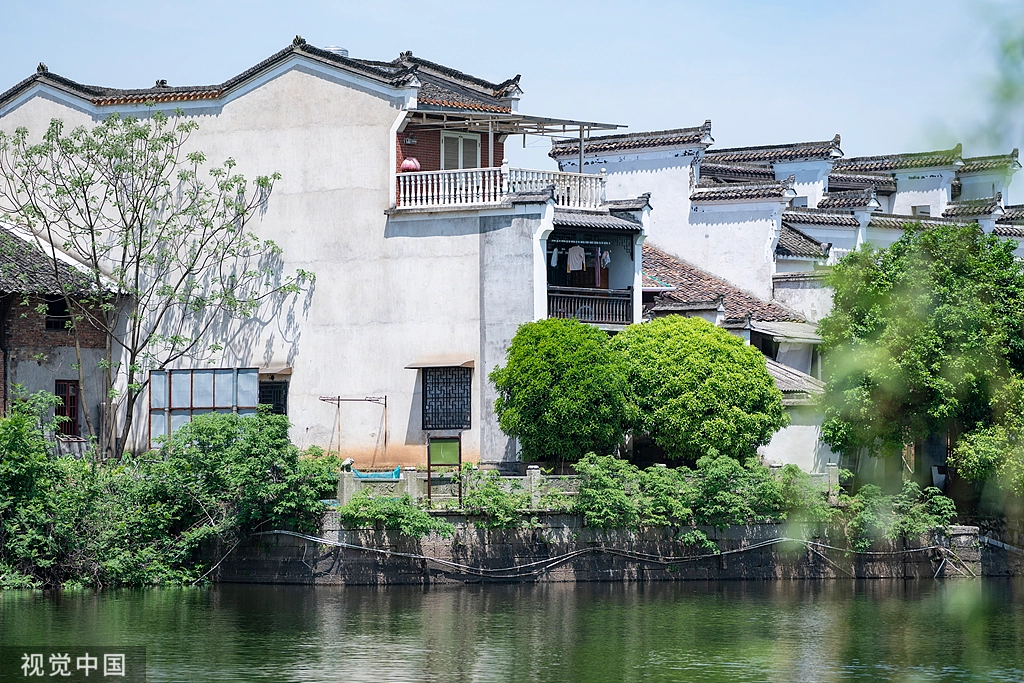
Li Jing, a famous general of the Tang Dynasty, garrisoned the river estuary, pacified unrest, and protected local people. Grateful residents named the place “Jinggang”, meaning “peaceful harbour”. Connecting the Wei River, Xiangjiang River and Dongting Lake, the town prospered in the Ming and Qing dynasties. Crowded with merchants and ships, it was known as “Little Hankou”, preserving the vivid waterfront history of Xiangjiang.

Li Jing enforced strict military discipline and never harassed civilians. He suppressed bandits to end warfare, comforted villagers, regulated ferry order, protected passing boats, and safeguarded local people so they could live and work in peace. When chaos subsided, the river harbour enjoyed long-lasting peace. Grateful for Li Jing’s protection of the territory and its people, locals named the harbour Jinggang, meaning “a peaceful and tranquil harbour”. Jinggang sits at the confluence of the Wei River and the Xiang River, connecting to Dongting Lake, occupying a vital water transport artery. Waterborne commerce flourished during the Ming and Qing dynasties. Merchant ships, grain barges and salt vessels from across the country docked here for loading and unloading. Masts crowded the piers, shops lined streets closely, rice firms, money shops, teahouses and inns spread along roads. The bustling market earned it the nickname “Little Hankou”. Over thousands of years, the constant arrival and departure of boats at ancient piers have witnessed the rise and fall of Xiang River water transportation. The bluestone lanes of the old town retain the unique marketplace vitality, pier folk customs and waterborne legends along the Xiang River. Web footnote for extended reading: Another folk version holds that Jinggang was originally named Weigang after the Wei River, and was renamed Jinggang after Li Jing stationed his troops here. In modern history, the Battle of Jinggang took place here, where Zeng Guofan’s Xiang Army fought against the Taiping forces.

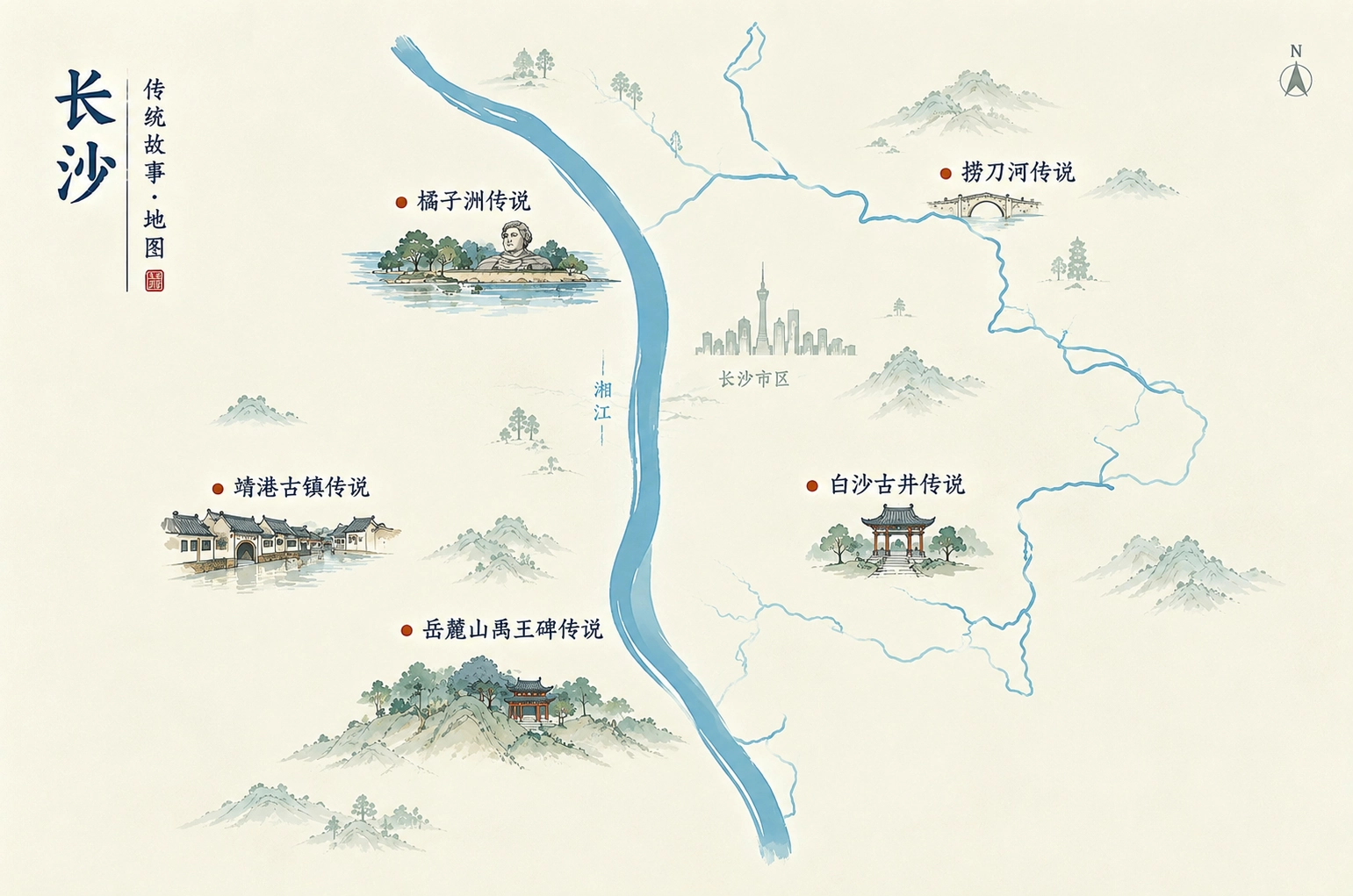
The Map

Explore the locations of Changsha's ancient legends

Changsha legend map